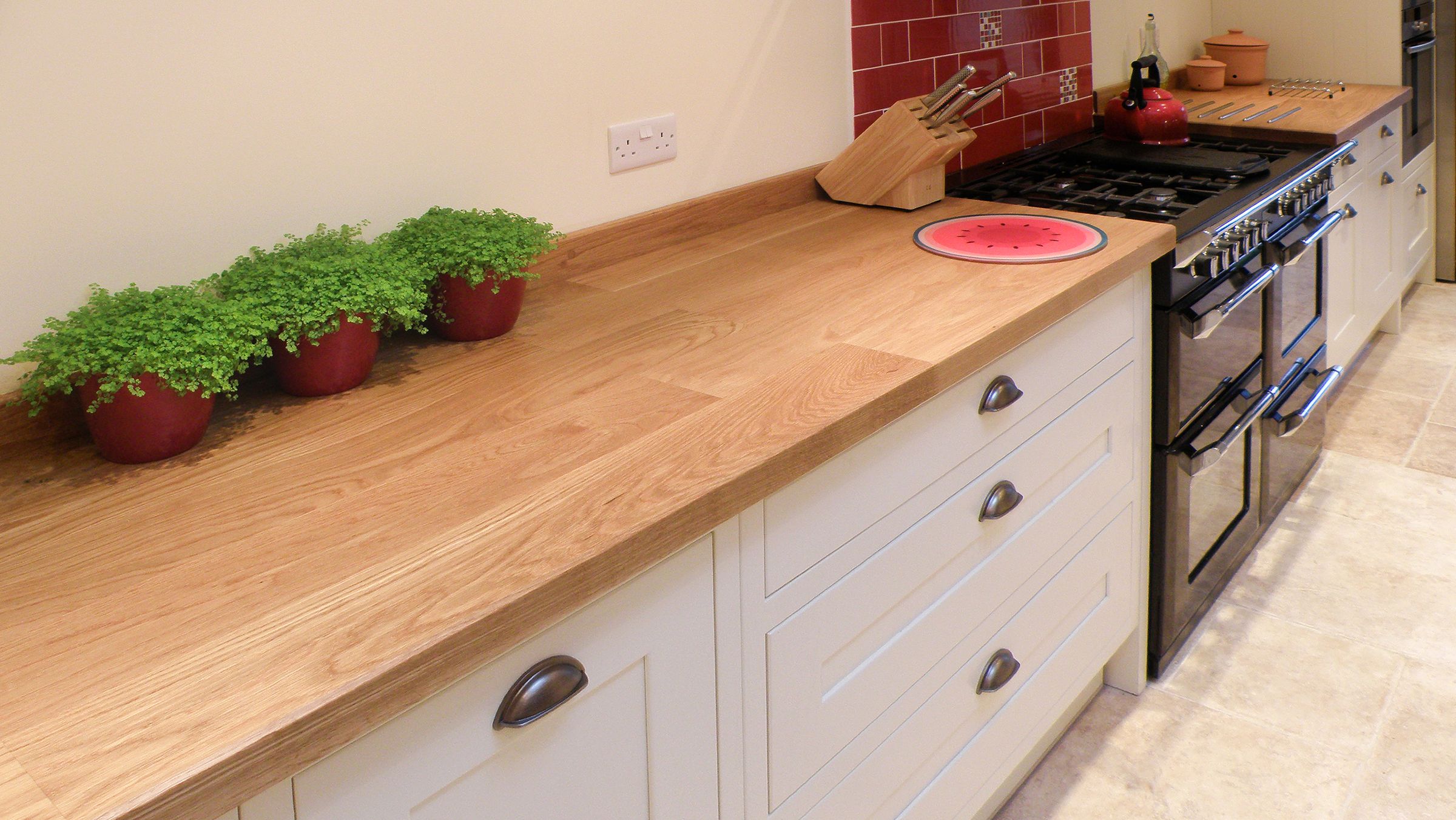
How We Create Our Bespoke Wooden Worktops
18 March 2015
As a manufacturer of bespoke hardwood joinery, we at Norfolk Oak create our wooden worktops completely from scratch. Differing from much of the worktop companies out there, our worktops are truly bespoke featuring hand-picked timber that is bonded together and tailored to your specifications, all within our Hangar located in the heart of Norfolk.
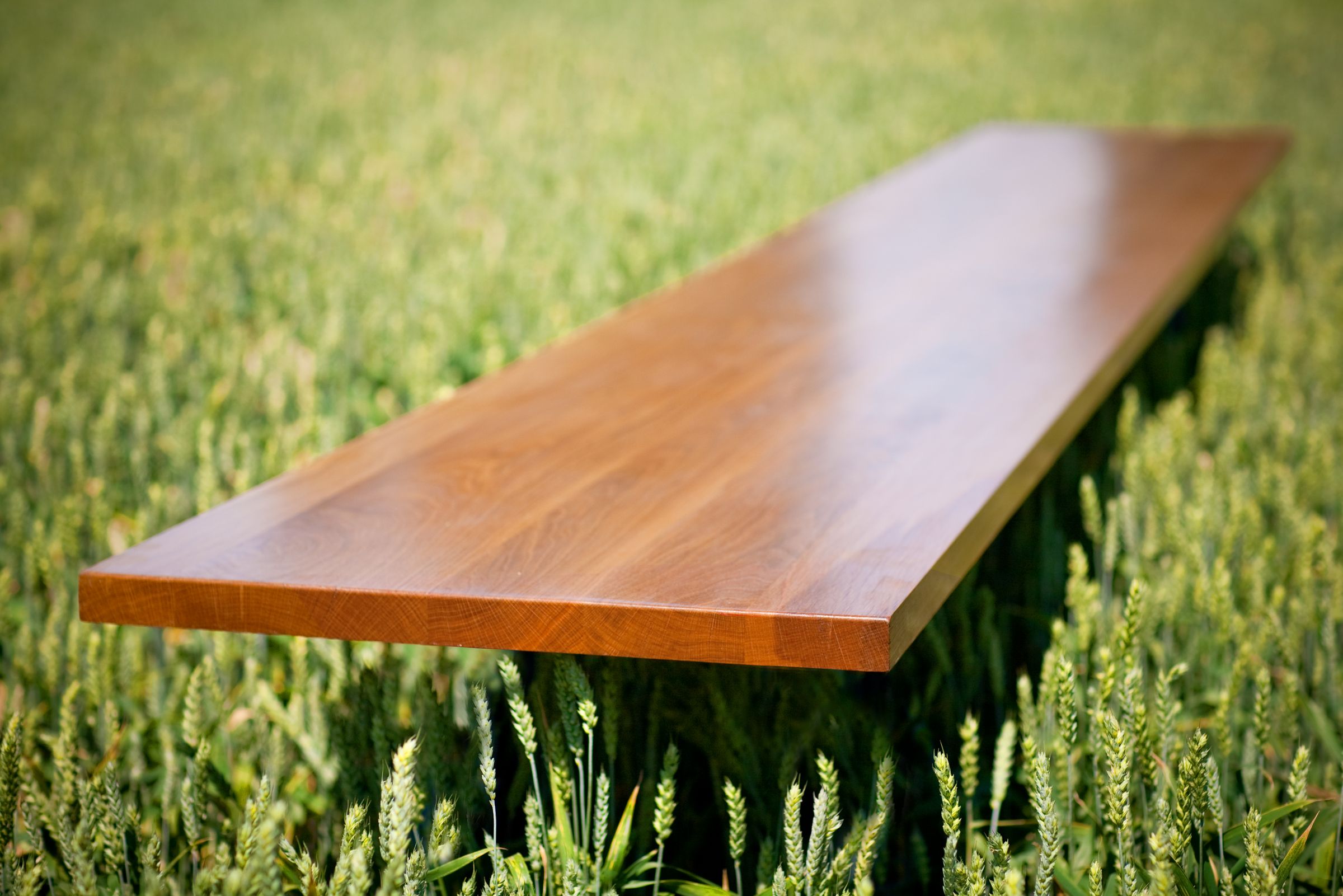
That’s the great thing with us, we start with an entire tree and finish with a complete product, controlling the entire process from beginning to end.
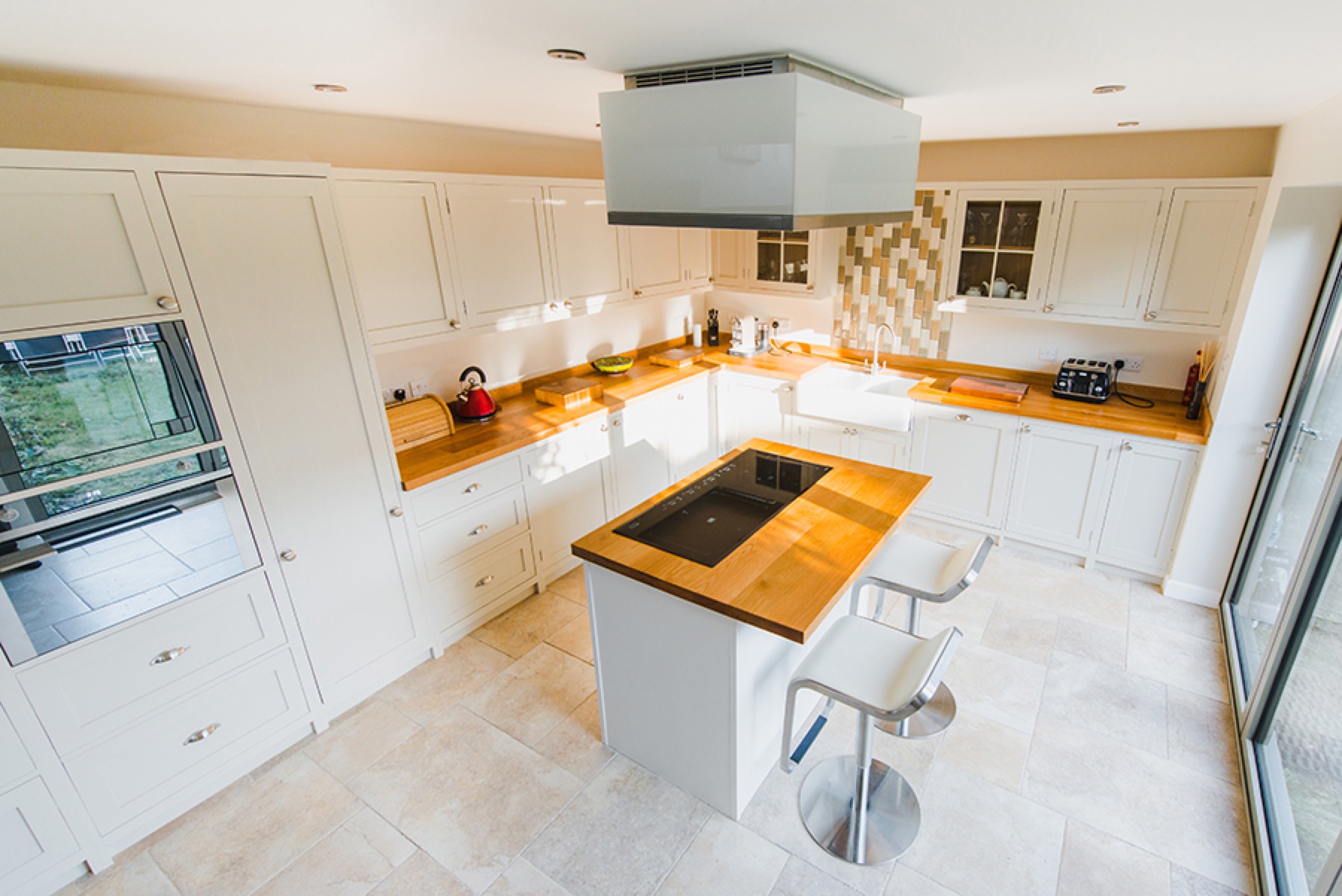
Having ordered one of our Oak, Walnut or other timber worktops, our worktop specialists will input the exact dimensions into our 3D CAD software which goes from screen directly to machine. From there, our craftsmen begin the complex and rewarding task of creating your bespoke wooden worktop.
The timber stave is hand-selected to get the best colour combinations and to allow for any defects to be noticed and removed. The true sign of timber quality is the width of the staves, a general rule of thumb being that the wider the stave, the more expensive the product. If a classic wide block or traditional plank style has been requested the staves are sent to our finger jointing machine, our super stave style goes straight to the moulder. The finger jointing machine precisely cuts fingers into the end of the planks specifically designed to provide a stable and immensely strong join when the staves are bonded together. The machine then automatically selects the optimum number of staves for the dimensions chosen and then accurately bonds the planks to create one long single stave.
Although some of our manufacturing is automated, the margin for error is still significant if the entire process is not optimised and set up professionally, this is key to the creation of a quality wooden worktop.
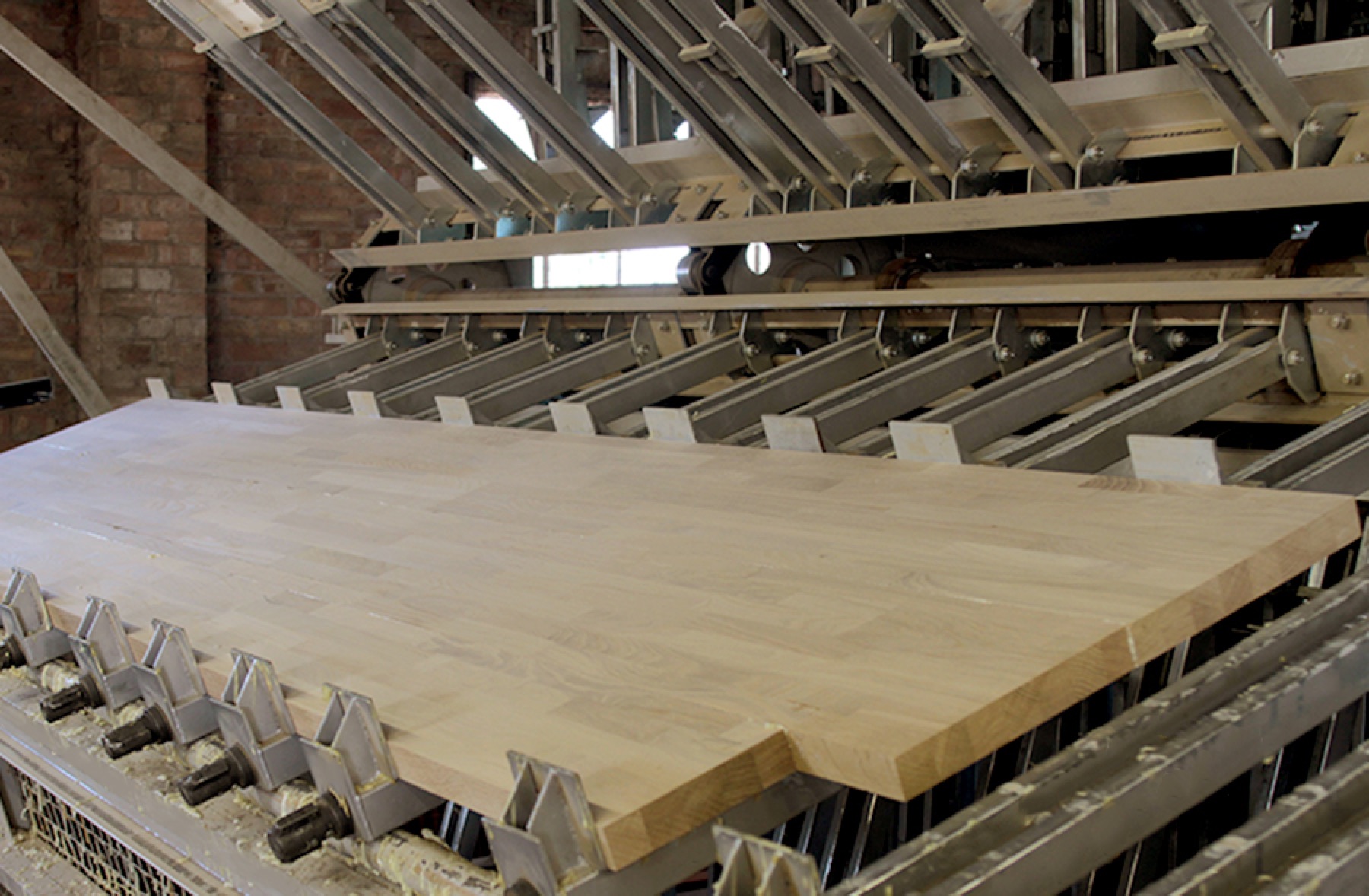
Next, the staves go through our specialised moulder which cleans each side of the stave, making them perfectly square with arrow straight edges for accurate gluing. Finally, the worktop is bonded and clamped together under extreme pressure until dry to ensure a completely solid bond.
Now the bonded staves of Appalachian or African timber go to our state-of-the-art CNC machine to be cut into a tailor-made worktop. Here, any bespoke work is precisely machined into the worktop such as cut-outs for hobs or sinks, or drainage grooves. You can read more on our full range of bespoke services in detail here.
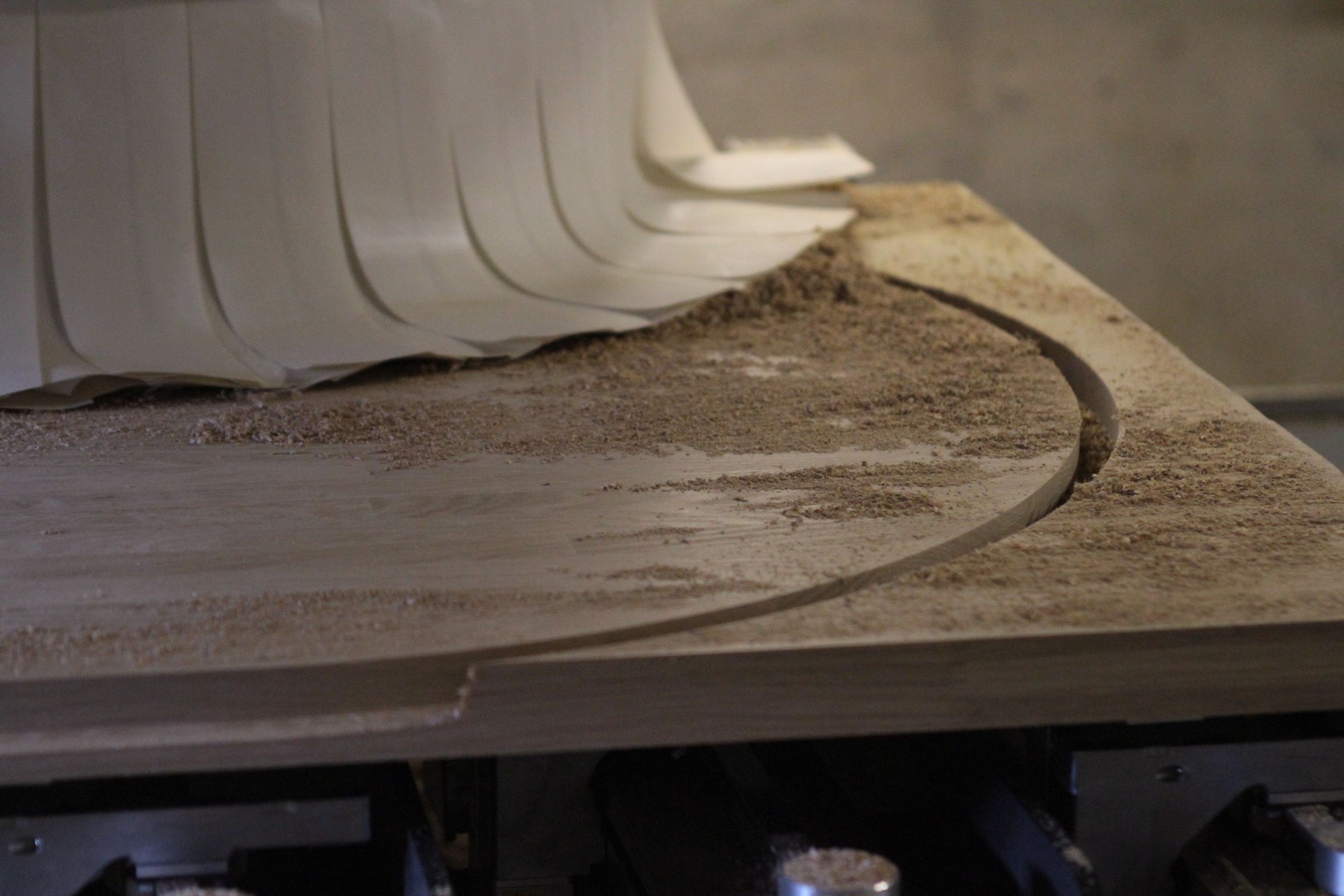
Once machined to millimetre tolerances, the worktop is then moved to our finishing room where it receives a final sanding for a super-smooth finish and is either saturated in lovely thick layers of linseed oil or in our innovative nano-coat. Both really bring out the beautiful colour and grain of our fine timbers whilst providing excellent protection for years to come.
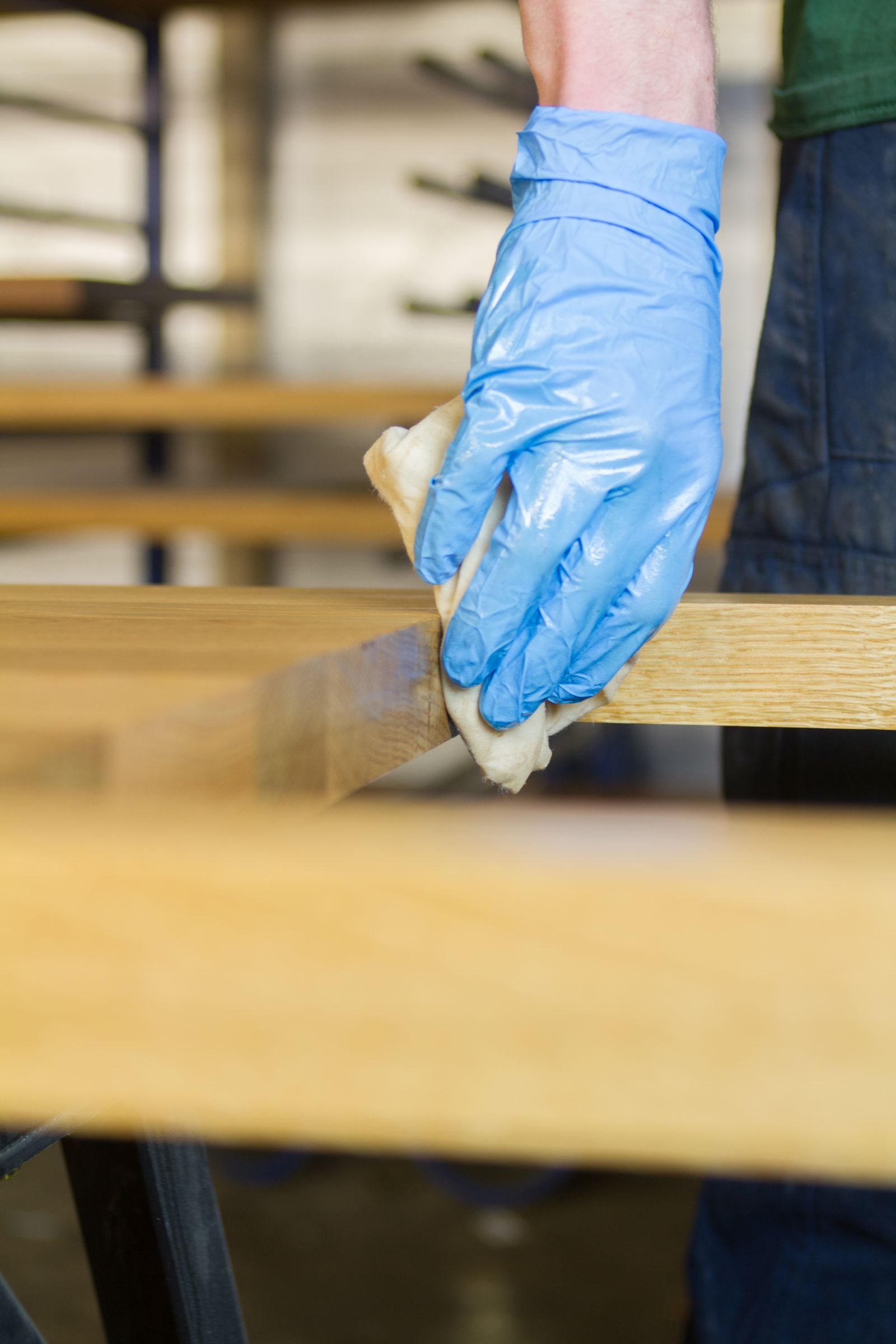
Finally, the worktop is hand-finished by one of our expert joiners who checks every millimetre of the worktop, ensuring every detail is flawless so that when it is delivered to your kitchen, it can be fitted straight away without fuss.